
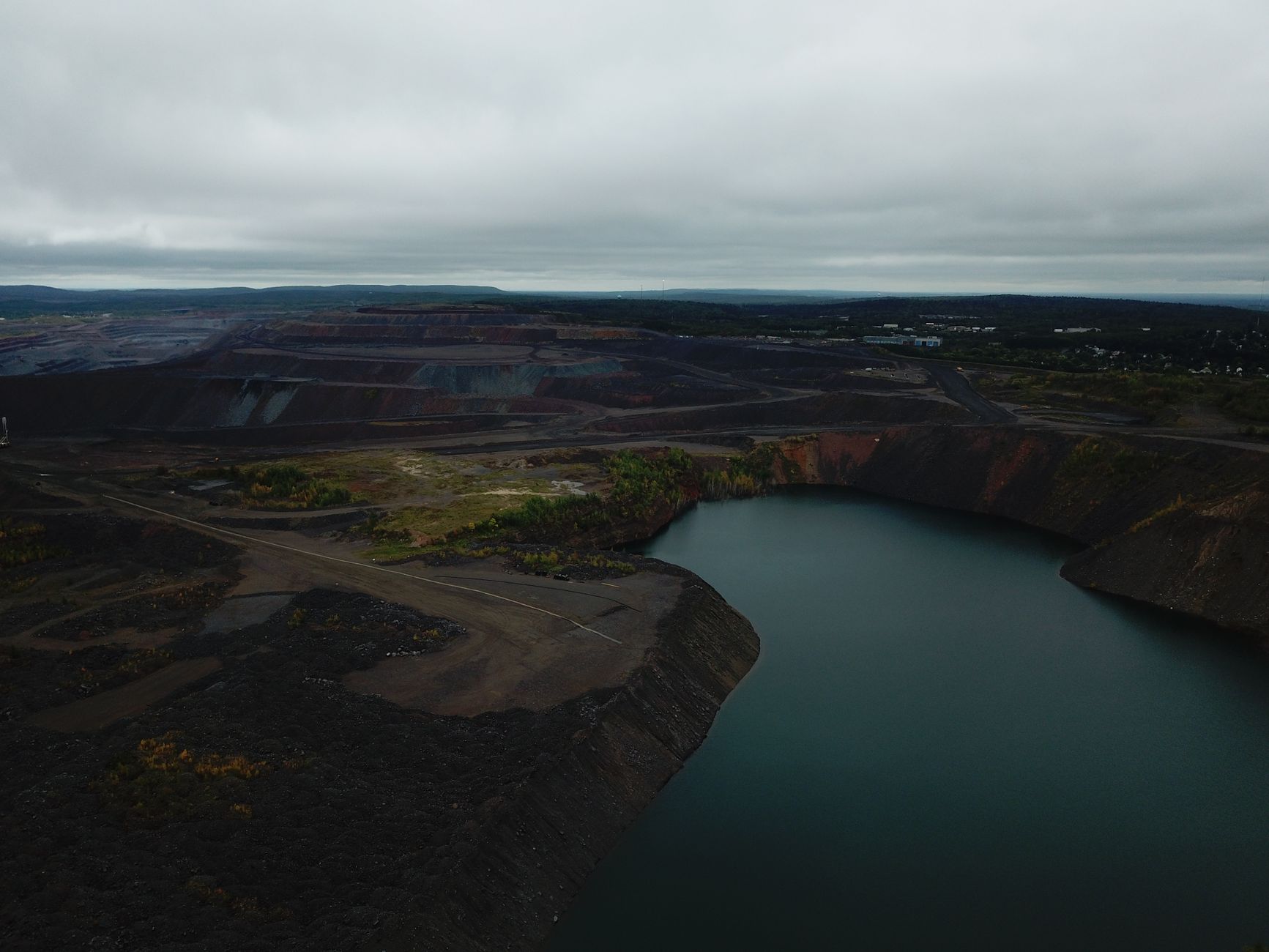
Northern Minnesota mining employers are competing in a labor market that feels tighter every quarter—yet the work itself is as critical and opportunity-rich as ever. From taconite operations to contractors, maintenance teams, and supporting suppliers, leaders across the Iron Range are asking the same question: How do we consistently bring in reliable people, train them well, and keep them here?
The answer isn’t a single tactic or a better job posting. It’s a system—one that matches the realities of Range communities, modern worker expectations, and the uncompromising safety requirements of mining.
Below is a practical, mine-focused approach to move candidates from “interested” to “productive” with fewer drop-offs and better long-term retention.
1) Start with today’s realities: fewer applicants, higher expectations
Many Iron Range employers are hiring in a world where:
- Applicants have options (construction, utilities, manufacturing, trucking, public sector).
- Experienced talent is aging out, and knowledge transfer is urgent.
- Commute and shift structure matter more than they did five years ago.
- Housing and childcare constraints can stop a great hire before day one.
Treating recruitment like a one-time transaction leads to slow fills and fast turnover. Treating it like a relationship—from first contact through the first 90 days—produces more stable crews.
2) Make the job “real” early: strong previews reduce early quits
A common retention problem in mining isn’t pay—it’s expectation mismatch. Candidates may not fully understand the physical demands, weather exposure, PPE requirements, or the pace of production work.
Improve alignment by offering a realistic job preview:
- A short video or photo set showing typical work areas (shop, pit, plant, haul roads)
- A clear “day in the life” outline (start time, pre-shift safety, lockout/tagout rhythm)
- A simple list of the “hard parts” (heat/cold, stairs, confined spaces, night shifts)
- A list of the “good parts” (predictable schedules, overtime availability, benefits, training)
When candidates self-select in or out earlier, you spend less time onboarding people who won’t stay.
3) Remove hiring friction: speed matters more than ever
In rural labor markets, a good candidate can accept another offer in days. If your process takes weeks, you’re not “being thorough”—you’re losing.
Tighten the timeline without sacrificing safety:
- Same-week interviews whenever possible
- Conditional offers pending physical, drug screen, and background where required
- Pre-scheduled screening appointments with local clinics
- One point of contact for candidates (avoid “HR says… operations says…”)
Also audit your application steps. If your process requires a desktop computer, multiple logins, or long forms, you may be filtering out exactly the practical, hands-on talent you want.
4) Build a “mine-ready” pipeline with local partners
Northern Minnesota has a strong ecosystem—use it like a long-term workforce plan, not a last-minute scramble.
Consider structured partnerships with:
- High schools and CTE programs (equipment basics, welding, electrical, safety)
- Community and technical colleges (industrial maintenance, mechatronics, CDL)
- Veteran and transition programs (leadership, safety mindset, mechanical aptitude)
- Tribal employment and training organizations where applicable
Effective employers don’t just “attend a career fair.” They define the on-ramp:
- Offer plant tours tied to specific roles
- Sponsor short certifications (OSHA/MSHA-oriented safety, forklift, first aid)
- Create paid internships or “try-a-trade” weekend experiences
For Iron Range communities, these pathways also build pride and local buy-in—critical for long-term workforce stability.
5) Train for competence, not just compliance
Mining is heavily regulated and safety-critical. But new hires don’t stay because they watched videos. They stay because they feel capable.
A strong training plan blends three layers:
- Compliance training (MSHA, site rules, hazard communication)
- Task training (equipment-specific, lockout/tagout practice, mobile equipment awareness)
- Role confidence (how to ask for help, who to call, what “good” looks like)
One high-impact tactic: assign each new hire a trained buddy/mentor for the first few weeks. Not just “shadow someone,” but a defined mentor role with:
- A simple daily checklist
- A standard approach to feedback
- Clear expectations for both mentor and new hire
If possible, recognize mentors with a small pay premium, a monthly safety recognition, or preferred scheduling. Mentorship is skilled labor.
6) Focus on the first 90 days: that’s where most retention is won or lost
Many mine and contractor teams lose people in the first month due to fatigue, confusion, or miscommunication. Build a structured 30/60/90-day plan:
- Day 1: welcome, PPE fit, site orientation, crew introductions
- Week 1: basic task training, safety rhythm, “who’s who” on the crew
- Day 30: check-in on schedule fit, commute, pain points, training gaps
- Day 60: progression to more independent work, performance coaching
- Day 90: formal review, development plan, next skills target
These check-ins should be short and practical: “What’s harder than you expected?” “What do you need more practice on?” “Is the shift working for your family?” “What would make this job easier to succeed at?”
7) Pay is important—but predictability often wins
Compensation must be competitive, but on the Range, predictability and fairness matter just as much:
- Transparent wage steps for entry-level roles
- Clear overtime rules (and how it’s assigned)
- Shift differentials that reflect the real burden of nights
- Benefits explained in plain language, not paperwork language
Many employees leave because they feel the system is inconsistent: “Some people always get the good shifts” or “I never know if I’m working Saturday.” A consistent scheduling policy reduces resentment and turnover.
8) Address the “life logistics” that quietly drive turnover
Northern Minnesota mining jobs can be strong careers—but life outside the gate can still break retention.
Employers who keep people longer often do small, practical things:
- A resource sheet for local housing leads and reputable landlords
- Childcare contacts (when available) and shift-friendly options
- Fuel assistance programs or carpool coordination for long commutes
- A clear process for requesting time off for family needs
This isn’t hand-holding—it’s removing predictable barriers that cost you thousands per vacancy.
9) Measure what matters: leading indicators of retention
If you only look at annual turnover, you’re reacting too late. Track leading indicators:
- Time-to-interview and time-to-offer
- Offer acceptance rate
- 30/60/90-day retention
- New-hire safety observations completed (and quality of coaching)
- Training completion tied to demonstrated competence
Then review results monthly with both operations and HR. Workforce stability is an operations outcome, not just an HR metric.
A practical next step for Iron Range employers
Pick one role you hire often—haul truck operators, maintenance helpers, process techs, electricians, laborers, welders—and map the path from “candidate sees posting” to “employee is competent and confident at 90 days.” Where are the drop-offs? Where is the confusion? Where does the process stall?
When you reduce friction, set expectations early, and invest in competence-driven training, you don’t just fill jobs—you build crews that stay. And on Minnesota’s Iron Range, stable crews are the foundation for safe production, community strength, and long-term mining success.