Call/Text 218-967-5669 · 218-WORKNOWgrandrapidsmn@expresspros.com
Iron Mining Talent markIRON MINING TALENT
Northern Minnesota mining workforce

Employment Articles

Practical guides for Iron Range employers and skilled-trades job seekers covering recruiting, mine-ready skills, hiring speed, workforce planning, and mining career preparation.
Why a Mine Turnaround Needs Its Own Workforce Plan

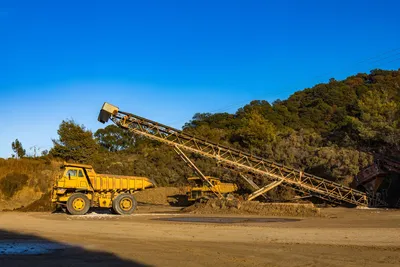
Yellow dump trucks and conveyor machinery in a sunny mining site with clear blue sky.

Turnarounds are not just overtime. They are site-specific, contractor-heavy resets that change training, coverage, pay, and candidate fit in mining.

A Mining Career Has Two Clocks: Skill Building and Site Authorization

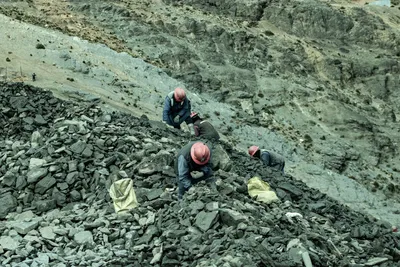
Workers with helmets collecting stones in a rocky quarry, an aerial perspective.

Mining careers run on two clocks: building trade skills and earning site-specific authorization. That difference shapes hiring, training, and retention.

Why a Mine Schedule Is Really a Skills Map

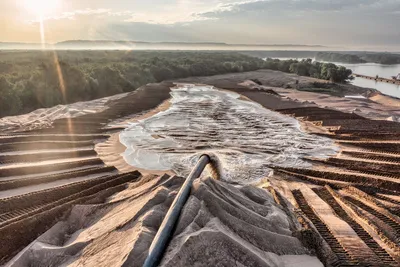
Drone shot of sand processing with flowing water and forest backdrop in Reads Landing, MN, at sunset.

Mining schedules are really skills maps: hours, training, and task authorization shape coverage, overtime, and the next career step.

Why a Mining Job Posting Can Be True and Still Be Wrong for You

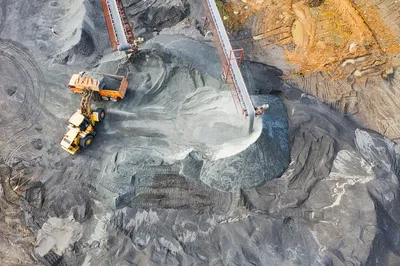
A top-down view showcasing mining operations with excavators and conveyor belts.

Mining job postings can be accurate and still miss the real fit. The deciding factors are operating stage, site authorization, and schedule window—especially in northern Minnesota.

Qualified Isn’t Cleared: The Missing Step in Mining Hiring

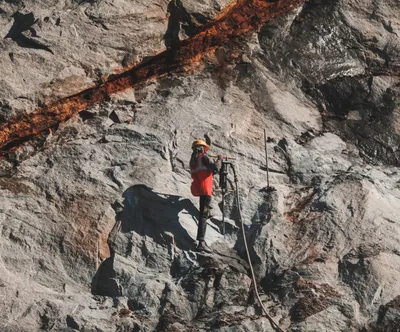
Construction worker drilling into rugged rock face, showcasing challenging outdoor work.

In mining, a good resume is not the same as site clearance. Here is why employers and applicants should separate trade skill from task authorization.

Mining Has Three Different Doors: Pit, Plant, and Maintenance

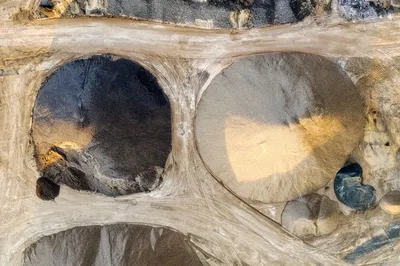
Aerial shot of rock formations and dirt roads in a quarry near Rochester, Minnesota.

Mining jobs split into extraction, processing, and maintenance. Understanding those three paths helps applicants and employers match skills to the right work.

When Training Ends and Mining Work Begins

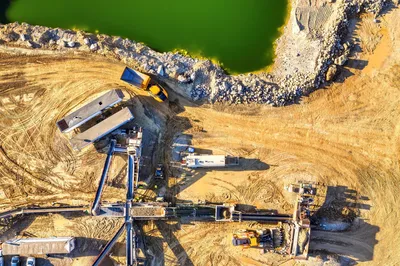
High-resolution aerial image of construction site with heavy machinery and a green water body in Rochester, MN.

Mining credentials help, but site orientation and task authorization decide who is truly ready. Northern Minnesota shows why the gap matters.

What Apprenticeship Really Buys in Mining: Access, Speed, and Site Readiness

welding, sparks, engineering, working, welder, industry, worker, metal, factory, production, work, man, mask, steel, industrial, employee, workshop, equipment

Mining training has layers: general skill, occupation training, then site authorization. Apprenticeship and college each help, but neither replaces mine-specific readiness.

The First Interview in Northern Minnesota Mining Is the Commute

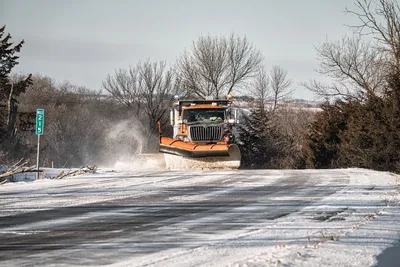
A snowplow clears a rural road in winter, showcasing winter maintenance.

In northern Minnesota mining, commute time, housing, and winter travel shape hiring and retention as much as pay. Employers and applicants need to ask about the route, not just the role.

Why Iron Range Hiring Starts With the Commute, Not the Job Posting

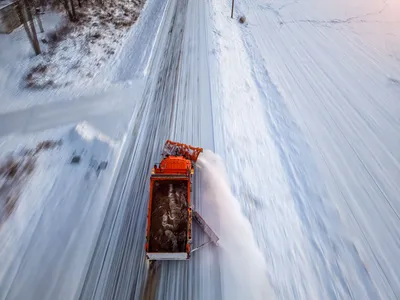
Aerial view of a snowplow clearing a rural road surrounded by snow in Kellogg, Minnesota.

Iron Range hiring works best when employers and applicants account for commute, site training, and the real regional labor shed, not just a job title.

The Best Mining Job Match Starts Before the First Shift

An orange snowplow clears a snow-covered road in Kellogg, Minnesota during winter.

In mining, fit depends on the worksite, commute, training, and schedule—not wage alone. Northern Minnesota makes those differences especially clear.

The First Shift Is an Authorization Test, Not a Resume Test

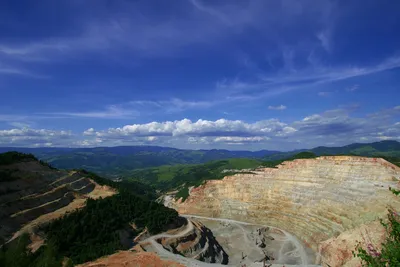
mine, mining, mining site, site, old, industry, rock, stone, ore, mineral, sky, landscape, pit, environmental, pollution, open-pit, deserted, blue desert, blue pollution, nature, blue stone, blue industry

Mining hiring often hinges on site-specific authorization, not just trade skill. Employers and applicants need to separate training, competence, and approval.