
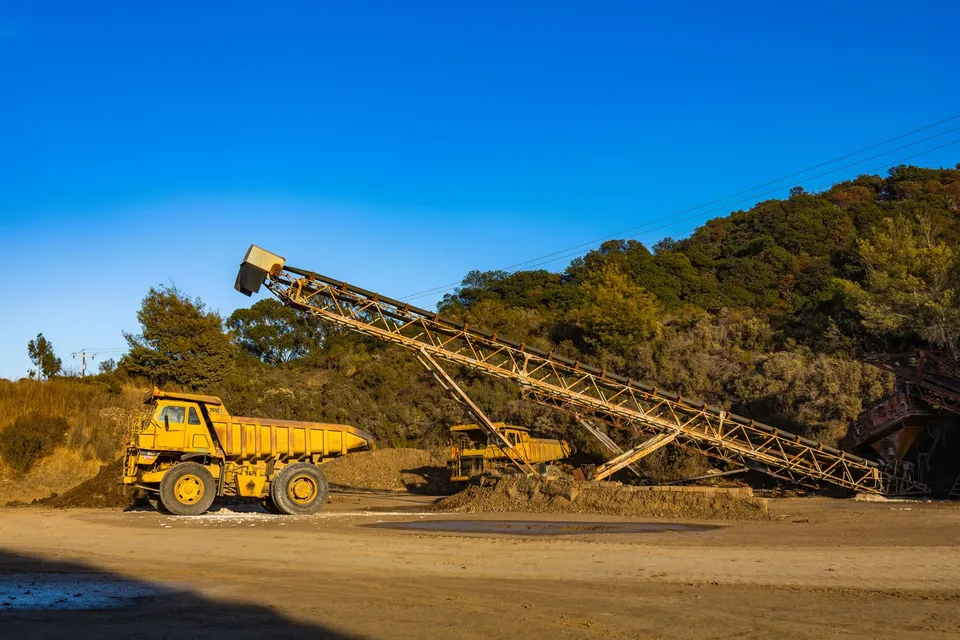
A normal mining shift is built around steady rhythm: operators move material, maintenance keeps equipment healthy, and supervisors keep the pieces aligned. A turnaround is different. The plant or mine slows down, new work piles into a short window, contractors arrive, and the crew has to prove it can reassemble the operation safely and on time. That is why a turnaround is not just extra labor; it is a different labor market inside the same site. In mining, that matters because worksite training, task assignment, and contractor control are all site-specific, not generic.
The hidden job in a turnaround is coordination
The most important thing about a turnaround is not the wrench work alone. It is the sequence: who is allowed in, who signs off, who coordinates lockout and access, who hands work off, and who decides when a unit is ready to come back online. MSHA’s contractor guidance says the training needed by an independent contractor depends on the work performed, the length of time at the site, and the hazards present, and it says production operators and contractors share responsibility for that training. That is a big clue for employers: a turnaround is a multi-employer event, not a standard open requisition.
The stakes are not theoretical. MSHA’s 2023 fatality report on a telehandler incident said the contractor did not ensure proper task training, and the worker had no mining experience. That does not mean every contractor needs the same path, but it does show why a site cannot assume that general industrial experience automatically equals mine-ready performance. In a turnaround, the first question is often not whether someone can do the trade, but whether the person can do that trade at that site, with that equipment, under that plan.
Employers should plan coverage, not just headcount
A turnaround plan works best when the employer thinks in coverage layers. Extraction, processing, electrical, mechanical, welding, instrumentation, safety, and supervision all need to be in the same conversation. That is because a plant can lose time faster from a coordination gap than from a single mechanical delay. Minnesota BLS wage data show how much the market values that coordination: first-line supervisors of construction trades and extraction workers averaged $90,290 in May 2023, which helps explain why the ability to sequence people and work is not a soft skill in mining; it is a production skill.
This is also where processing matters. In iron ore systems, the labor problem is not limited to the pit. USGS reports that in 2024 eight open-pit iron ore mines in Michigan, Minnesota, and Utah shipped 98% of domestic usable iron ore products for U.S. steel consumption, and it notes the related concentrating and pelletizing plants. In plain terms, when a turnaround hits a taconite or pellet operation, the employer is protecting a whole chain of work, not just a single machine. USGS mineral summary gives the scale, and the staffing plan has to match it.
What applicants and contractors should ask before they say yes
For workers, a turnaround can be a good opportunity, but only if the arrangement is clear. Ask four practical questions:
- What site-specific orientation and task training are required?
- Who is responsible for authorizing the work at this site?
- Is the job a direct-hire role, a contract role, or a temp-to-hire arrangement?
- How are overtime, per diem, travel, and benefits handled?
Those questions matter because compensation in mining is often a package, not a single hourly figure. A direct employee may receive overtime, shift differentials, retirement contributions, and health coverage. A contractor may see a higher base rate but fewer benefits and a different travel treatment. The point is not that one arrangement is always better; it is that the total deal should fit the worker’s commute, family obligations, and willingness to travel.
For applicants, turnaround work can also reveal whether your background fits the site’s real need. A millwright, welder, electrician, or industrial mechanic may be valuable, but the employer still needs proof of recent task practice, site orientation, and the willingness to work under tight sequencing. Apprenticeship.gov describes registered apprenticeship as paid work combined with classroom learning and mentor support, which is one reason mining-adjacent maintenance careers often start with a long training arc rather than a one-week orientation.
Northern Minnesota makes the turnaround question easier to see
Northern Minnesota is a good place to study this because the labor market is concentrated and the work is spread across mines, plants, shops, and contractors. DEED says Northeast Minnesota had 4,097 mining jobs at 35 firms, and its regional reports show the labor force has still not fully recovered to pre-pandemic levels. It also reported that the mining sector lost 277 jobs in 2025. That combination means employers cannot assume there will always be spare labor sitting nearby when a shutdown or restart needs it.
The region’s training stack helps explain how employers fill the gap. Minnesota North College says it serves 9,000 incumbent employees per year and offers programs such as Manufacturing Technologies, Welding, and Industrial Mechanical Technology, including preparation for mining maintenance and construction maintenance. For a turnaround, that matters because the best backfill often comes from people who already understand the region’s industrial rhythm and can move quickly into a maintenance window. Minnesota North College is not a shortcut around site training, but it is a real pathway into the kind of work turnarounds require.
The practical takeaway
A mine turnaround is not simply a busier version of normal work. It is a short, high-stakes reset that depends on the right mix of trade skill, site authorization, schedule discipline, and contractor coordination. Employers should build the plan around coverage and training, and applicants should judge the opportunity by the actual site requirements, not the job title alone.
If you are planning a shutdown or considering turnaround work in northern Minnesota, bring the schedule, location, and credentials together before the first day. Employers can discuss role requirements, operations, and coverage needs; applicants can share licenses, shift limits, and travel preferences. To start that conversation, use ironminingtalent.com/contact.html, call 218-WorkNow (218-967-5669), or email grandrapidsmn@expresspros.com.