
In northern Minnesota, many mining jobs are decided long before a new hire reaches the gate. The question is not only whether someone can run a loader, weld a chute, or supervise a crew. It is whether the worker can reliably get to the site, stay there through winter, and fit a schedule that may shift around shutdowns, contractor windows, and plant needs. That matters because Northeast Minnesota still had 4,097 mining jobs at 35 firms, even as the region’s labor force had not fully recovered its pre-pandemic losses.
The commute is part of the work
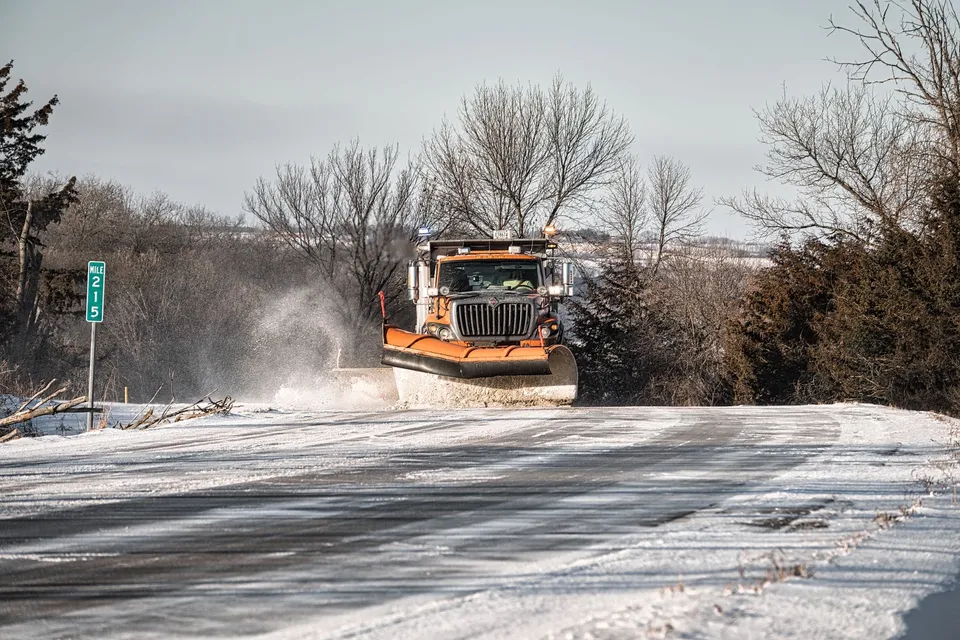
A northern Minnesota mining job often pulls from a wider area than the town where the plant or mine sits. The regional labor shed stretches across counties, and the data show that plainly: Duluth appears as the home residence of 120 workers with jobs in Hibbing, which means the work force is already crossing city lines before the shift begins. St. Louis County commuting patterns point in the same direction, with 78,483 workers driving alone and 10,370 carpooling out of 106,107 workers in the workplace-geography table. That is not a footnote; it is a reminder that mining labor here is built around private vehicles, long roads, and weather that can change the entire day’s plan.
For employers, that means a job posting is incomplete if it lists pay and shift but says nothing about the actual drive, winter access, or parking. For applicants, it means the real interview question is often, “Can I make this trip all season?” not “Do I like the title?”
Housing decides who can take the offer
Housing is another workforce input, not a side issue. Itasca County’s profile shows 45,014 residents, 25,679 housing units, 18,541 households, and a 51.9% employment rate. Those numbers do not tell you whether a worker can find a rental near a specific operation, but they do explain why moving for a mine job can be hard even when the wage is strong. A limited housing base makes the decision larger than pay alone: the worker is choosing between a longer commute, a temporary living arrangement, or a household move.
This is one reason mining employers in the region should think beyond “available headcount.” A candidate who lives farther away, shares a vehicle, or is trying to line up school schedules may still be a strong hire if the operation can offer predictable hours, a workable start time, and clear expectations about overtime. The best retention plans acknowledge that the labor pool is spread out and that the local housing supply affects who can accept the job in the first place.
The plant, not just the pit, shapes the commute
Northern Minnesota mining is not only about extraction. In the U.S. iron ore system, eight open-pit mines in Michigan, Minnesota, and Utah shipped 98% of domestic usable iron ore products for consumption in 2024, and the operation set includes concentrating and pelletizing plants. That matters for workforce planning because many jobs are anchored in processing sites, maintenance shops, and support facilities rather than at the point where ore is taken from the ground. The commute may therefore run to a plant, not a pit, and the employee’s day may revolve around fixed equipment, process flow, and coordinated maintenance windows.
What employers should screen for
That geography changes hiring. A good mining employer should ask more than whether the applicant has industrial experience. It should ask whether the person can consistently reach the site, handle the shift pattern, and complete the site-specific orientation that the work requires. MSHA’s contractor guidance says training depends on the work performed, the length of time at the mine site, and the hazards involved, and it says mine operators and contractors share responsibility for required training. For underground mining, the statute also requires at least 40 hours of training for new miners without underground experience. In other words, the commute gets the worker to the gate, but site-specific training is what gets the worker to the task.
That is why a person with strong mechanical experience may still need a slower entry path if the route to work is long, the site is remote, or the job depends on early starts and weather-sensitive travel. Employers who ignore those realities often lose people for reasons that look like “attendance” but are actually transportation, housing, or schedule design problems.
What applicants should ask before they accept
Applicants should treat the first conversation as a logistics check, not just a wage check. Ask where the worksite actually is, how often the shift changes, whether overtime is expected, whether winter access is reliable, and whether the job is an employee role or a contractor arrangement. Also ask what the first week of training looks like and whether the site requires separate orientation before a worker can be assigned independently. Those questions are practical because mining wages can look good on paper while still failing to cover the hidden costs of distance, fuel, and family disruption.
The wage data help explain why people still make the drive. In Minnesota, surface mining excavating and loading machine operators averaged $74,020 annually, underground mining machine operators averaged $74,370, and first-line supervisors of construction trades and extraction workers averaged $90,290. By contrast, Northeast Minnesota’s median hourly wage across all occupations was $23.47 in early 2025. That spread shows why mining remains attractive, but it also shows why a pay rate alone does not settle the decision.
The better first conversation
In this region, the strongest hiring conversations are honest about the route as well as the role. Employers should describe the site, the start time, the commute assumptions, and the training path. Applicants should explain how far they live from the work, what transportation they can count on, and what schedule they can actually sustain. When both sides talk about the drive up front, the hiring process becomes more accurate and the retention risk drops.
If you are evaluating a mining role, start there: the site, the shift, the commute, and the training that turns a capable worker into a site-ready one. If you need help comparing those pieces to your own situation, use the contact page at ironminingtalent.com/contact.html or call 218-WorkNow.