
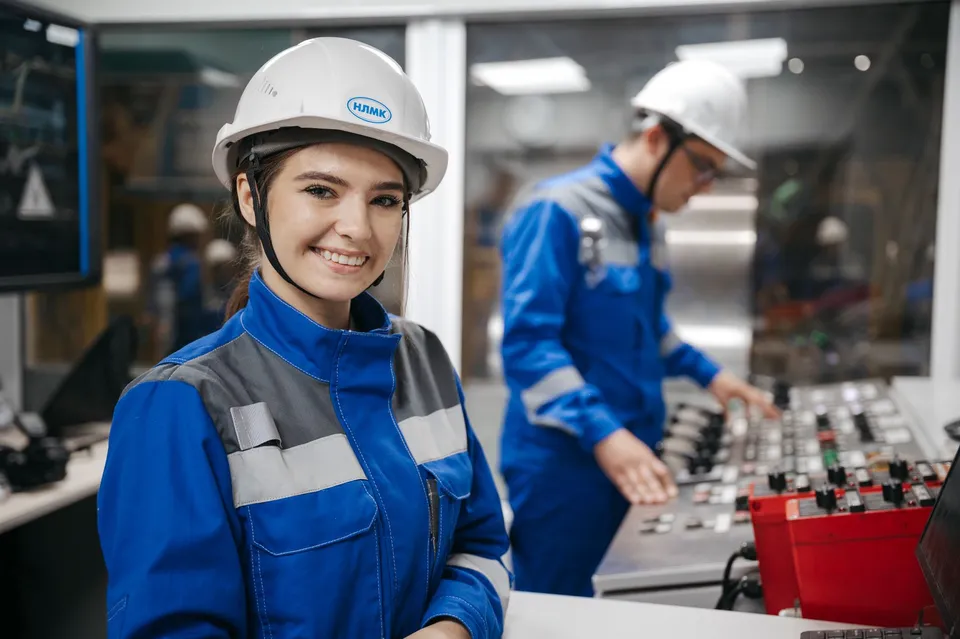
When people picture mining, they usually picture haul trucks, drills, or a shovel tooth. In many operations, though, the work that keeps the whole system honest happens in the controls room, the motor control center, and the instrument panels. In iron ore and taconite, that matters because the industry does not stop at extraction. The USGS Mineral Commodity Summaries 2025 says eight open-pit iron ore mines in Michigan, Minnesota, and Utah shipped 98% of domestic usable iron ore products for U.S. steel use in 2024, and it points to the concentration and pelletizing plants that sit downstream from the pit. That means controls and instrumentation are not side work; they are part of the production chain itself.
What this job actually does
Controls and instrumentation work sits where process control meets physical equipment. In a mine or processing plant, that usually means helping keep sensors, alarms, drives, switches, and control systems lined up with what the plant is actually doing. It also means working closely with operators, electricians, millwrights, and maintenance supervisors when a signal looks wrong, a motor trips, or a process needs a stable reset. This is not the same job as simply turning a wrench or pulling cable; it asks for both equipment knowledge and process awareness.
That distinction matters because mining is full of roles that sound similar but operate differently. Minnesota occupational data separate surface mining machine operators, underground mining machine operators, and first-line supervisors of construction trades and extraction workers. The same logic applies inside a plant: a controls technician, an electrician, and a millwright may all work on the same system, but they are not interchangeable. Good employers write that difference into the job posting instead of assuming a broad maintenance title will explain it.
Why employers should define the role carefully
For hiring managers, the danger is vague language. A posting that says ‘industrial maintenance’ can attract useful applicants, but it can also hide the real need. If the job is mostly troubleshooting automation, calibration, and process control in a pellet plant or concentrator, the strongest background may come from electrical controls, manufacturing technology, instrumentation, or apprenticeship-based industrial work. If the job is mostly mechanical repair, the profile changes again. In mining, precision in the role definition helps the right candidates self-select and keeps supervisors from expecting one trade to cover another.
That precision also helps during shutdowns, turnarounds, and contractor-heavy projects. MSHA guidance says contractor training depends on the work, the time at the site, and the hazards present, and it says production operators and independent contractors share responsibility for required training. In other words, an experienced outside electrician or controls contractor still needs mine-specific orientation before being treated as ready for the exact site task. A strong posting should make that clear up front instead of assuming general industrial experience is enough.
What helps an applicant get started
For applicants and employees, the best entry route is usually a mix of electrical, mechanical, and process exposure. Northern Minnesota has several relevant pathways through Minnesota North College, including Electrical Controls & Maintenance, Electrical Maintenance & Construction, Manufacturing Technologies, Industrial Mechanical Technology, Welding, and Diesel Mechanics & Heavy Equipment. The college also says it serves 9,000 incumbent employees per year, which is a reminder that many mining workers advance through upgrade training while they are already working.
Registered apprenticeship is another practical bridge. Apprenticeship.gov describes the model as paid work combined with classroom learning and mentor support, and the published standards it highlights show how long the road can be: millwright and electrician pathways commonly involve 8,000 hours of on-the-job learning and 144 hours or more of related instruction each year. That structure fits mining because the work is technical, but it is also site-specific. Training completion helps, yet it does not replace the plant’s own task sign-off or the site’s own operating rules.
MSHA’s training rules sharpen that point. Its guidance says surface non-metal mine training varies with hazards and exposure, and the Federal Mine Safety and Health Act requires at least 40 hours of training for new underground miners without underground experience. The practical takeaway is simple: a diploma, certificate, or apprenticeship can get a worker to the door, but site orientation, task training, and authorization are what let that worker safely step into the job.
Why northern Minnesota makes this role especially important
Northern Minnesota is a concentrated mining labor market, not a generic regional economy. DEED says Northeast Minnesota includes Aitkin, Carlton, Cook, Itasca, Koochiching, Lake, and St. Louis counties, and it reported 4,097 mining jobs at 35 firms in the region. It also noted that women made up only 8% of the mining workforce in 2022, which shows how slowly the talent pool changes when the work is highly specialized and the pipeline is narrow.
That concentration also affects how people get to work. Regional commuting patterns are car-dependent, and DEED has tied housing characteristics to the labor market in Northeast Minnesota. For controls and instrumentation work, that means schedule design, callout expectations, and overtime matter just as much as pay rate. A good candidate may be willing to travel farther for a technical role, but only if the shift pattern and coverage expectations are realistic for family life.
The practical test
If you are hiring, ask whether the posting explains the process environment, the shift pattern, the equipment families, and the level of site authorization required. If you are applying, ask whether the plant work is mostly troubleshooting, calibration, startup support, or mechanical backup. Those answers tell you more than a broad title does.
For a local conversation about mining work or a controls-focused opening, start at ironminingtalent.com/contact.html, or use call 218-WorkNow or email the office.