
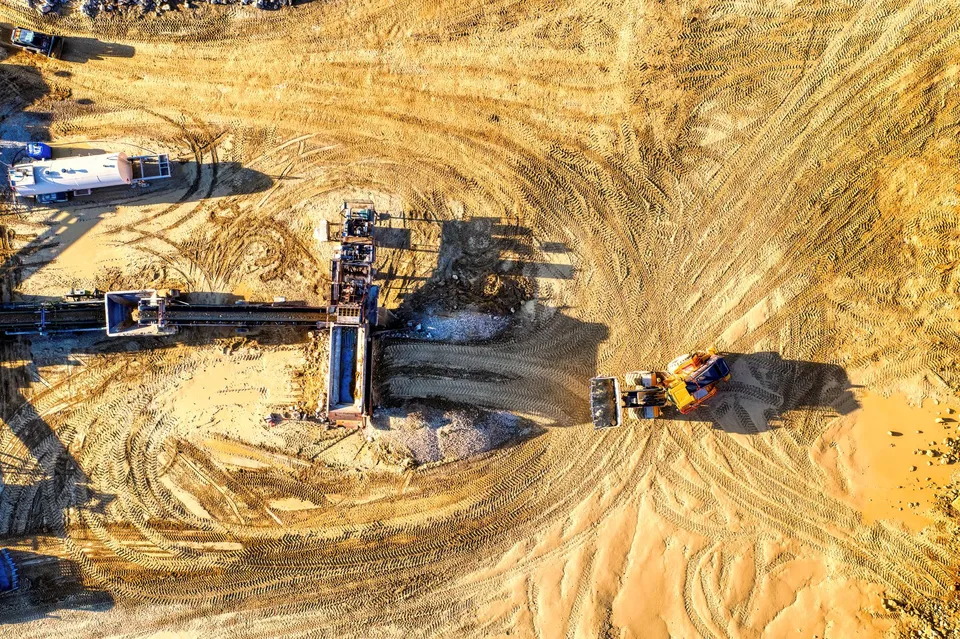
A mine shutdown is the moment when a hiring plan stops being theoretical. On a normal day, a site can look organized: operators run their routes, maintenance handles fixes, and supervision keeps the schedule moving. Then a turnaround, rebuild, or extended outage starts, and the same site suddenly depends on mechanics, electricians, welders, operators, contractors, dispatch, and supervisors working in a much tighter window. That is why shutdown work is not just a maintenance issue. It is a test of whether the workforce was trained, covered, and authorized for the exact job at the exact site. MSHA’s contractor guidance says training depends on the work, the length of time at the site, and the hazards present, and that production operators and independent contractors share responsibility for required training. MSHA contractor guidance is not a generic HR checklist; it is a reminder that shutdowns create a multi-employer work environment with real safety and staffing consequences.
Why urgency creates staffing mistakes
When a mine is under pressure to get back online, managers can be tempted to treat experienced industrial labor as automatically mine-ready. That assumption is too loose. MSHA says miners who move from mine to mine need site orientation in addition to their broader training, and the Federal Mine Safety and Health Act requires at least 40 hours of training for new underground miners with no underground experience. Those are concrete limits on what a site can expect before work begins.
The warning is not abstract. A 2023 MSHA fatality report said a contractor did not ensure proper task training for a telehandler operator, and the worker had no mining experience. That case matters because it shows how a “good enough” assumption can fail when a shutdown puts unfamiliar people on unfamiliar equipment under time pressure. For employers, the lesson is simple: a shutdown plan needs task-level training and signoff, not just a schedule. For applicants, the lesson is just as important: prior industrial experience is helpful, but it is not the same as site authorization.
What a shutdown-ready hiring plan actually needs
A strong mining hiring plan for outages and turnarounds has three parts:
- A role map. Who is operating, who is maintaining, who is inspecting, and who is supervising? In mining, those are different jobs, not interchangeable labels.
- A task matrix. Which people can work on which systems, and which people still need site orientation or task training before they touch them?
- A backup plan. If one mechanic, electrician, or control-room person is unavailable, who covers the shift without creating a training gap?
That matters because shutdowns compress work that would normally be spread across a week or a month into a short and unforgiving window. A mine can be short on production, but it cannot afford to be vague on authorization. The safest crews are the ones that know exactly who is cleared for what before the outage starts, not after a delay has already hit the schedule.
Questions applicants should ask before saying yes
Mining applicants often focus on the title or the wage, but shutdown work calls for better questions:
- Is this a direct-hire role, a contractor role, or a mixed site arrangement?
- How long is orientation, and is it site-specific or just general safety paperwork?
- Who signs off on task training?
- If the site is short-handed, will I be asked to cover work I have not been cleared to do?
- Is the job tied to a shutdown window, or will it continue after the outage ends?
Those questions are not red flags. They are how an applicant checks whether the employer understands the difference between useful experience and documented readiness. In mining, that difference matters because a worker can be capable and still not be authorized for a specific piece of equipment or a specific site condition.
Why northern Minnesota makes this especially important
Northern Minnesota has a concentrated mining labor market, which makes coverage and succession especially important. DEED says Northeast Minnesota had 4,097 mining jobs at 35 firms, so the local talent pool is meaningful but not unlimited. The same regional research says women made up only 8% of the mining workforce in 2022, which means employers cannot assume the workforce will replenish itself without deliberate mentoring and progression paths.
That is also why training capacity matters so much in the region. Minnesota North College says it serves 9,000 incumbent employees per year, and its welding, manufacturing, industrial mechanical, and electrical-related programs are exactly the kinds of pathways that help mines, plants, and contractors backfill skilled work instead of starting from zero every time a crew changes. In practice, that means shutdown planning in northern Minnesota is not just about a maintenance calendar. It is about whether the region has enough trained people to absorb outages, turnovers, and retirements without losing operating knowledge.
The real test is not the normal day
A mine’s ordinary shift can hide weak points in staffing. A shutdown exposes them. If the site can identify the right work, the right training, the right authorization, and the right backup coverage before the outage begins, it is more likely to come back online safely and on time. If it cannot, the shortage is not just labor. It is planning.
If you are an employer mapping roles for an outage, or an applicant trying to understand whether your experience fits a mine or plant assignment, the next step is to talk through skills, schedule, and location clearly. You can start at ironminingtalent.com/contact.html or call 218-WorkNow.